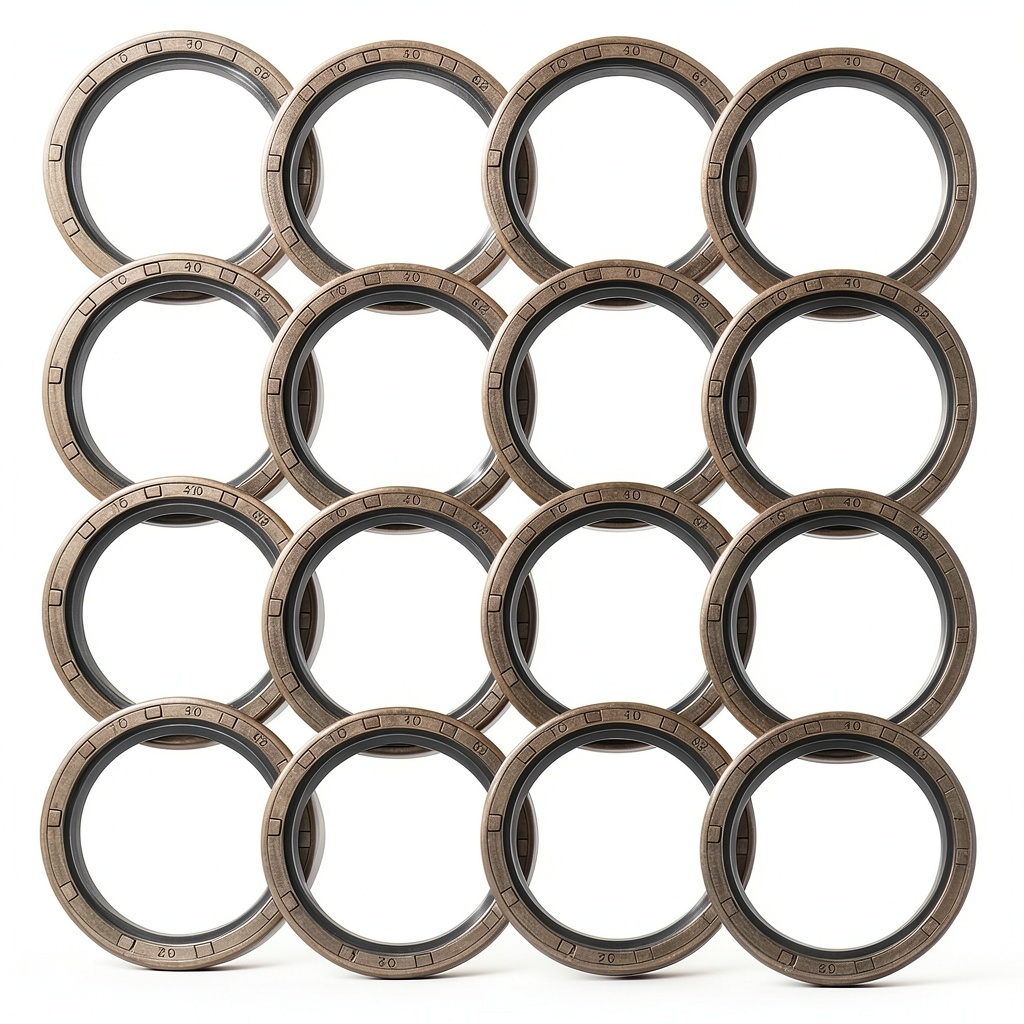
Keepgrindingdaily TC Seal 40mm ID x 52mm OD Double‑Lip NBR Output Seal
$ 64.12
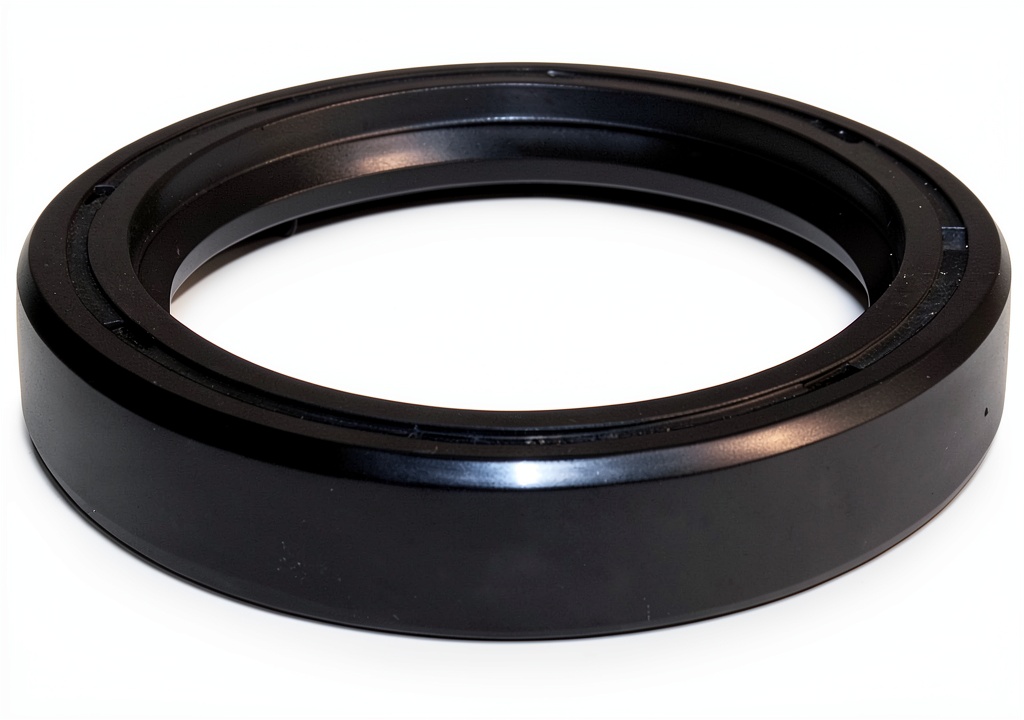
Description Product Overview Keepgrindingdaily’s double‑lip TC seal is engineered specifically for portal gearboxes and output shaft assemblies where reliable sealing is critical. The seal’s metric dimensions of 40 mm inner diameter, 52 mm outer diameter and 7 mm width provide a precise fit that matches OEM specifications, eliminating the guesswork often associated with aftermarket components. Designed for both replacement and new‑build scenarios, this seal delivers the confidence of a factory‑grade part while offering the flexibility of bulk packaging for professional workshops. The core sealing element is made from high‑performance NBR (nitrile butadiene rubber) that resists oil, fuel, heat and ozone, ensuring long‑term elasticity even under extreme temperature swings. A reinforced steel outer case adds structural rigidity, protecting the rubber lip from deformation and providing a robust barrier against mechanical damage. The double‑lip design incorporates a TC‑style sealing lip that retains lubricants inside the gearbox while actively repelling mud, water and fine debris that could otherwise compromise performance. With an outer diameter of 52 mm and a width of 7 mm, the seal fits snugly into standard portal gearbox housings that accept a 40 mm bore, creating a leak‑free interface that tolerates both axial and radial loads. The precise metric tolerances are verified through rigorous dimensional testing, guaranteeing that each unit conforms to the advertised specifications before it leaves the factory floor. This attention to detail reduces the risk of premature wear, misalignment or premature failure that can arise from poorly fitting seals. The double‑lip configuration creates a dual barrier: the primary lip seals the high‑pressure side of the gearbox, while the secondary lip provides an additional safeguard against low‑pressure ingress. This architecture not only improves overall sealing efficiency but also extends service intervals by minimizing lubricant loss and contamination ingress. In demanding off‑road or industrial applications where dust, mud and water are constant threats, the seal’s ability to maintain pressure differentials translates directly into reduced downtime and lower maintenance costs. The product is supplied as a 16‑piece bulk kit, providing ample inventory for workshop stocking, fleet maintenance programs, or large‑scale rebuild projects. Each kit includes sixteen identical seals, individually packaged to protect against contamination and damage during handling. This bulk approach delivers cost savings per unit while ensuring that replacement parts are readily available when unexpected wear occurs, helping technicians avoid production delays and keep equipment operating at peak efficiency. Usage The seal is ideally suited for a range of automotive and industrial equipment, including automatic transmission output shafts, portal gearboxes on off‑road vehicles, and heavy‑duty industrial gear units that require robust sealing solutions. Its metric dimensions align with many OEM specifications, making it a direct replacement for original parts in models that list a 40 mm ID and 52 mm OD seal. Whether you are rebuilding a transmission, performing routine maintenance on a construction machine, or stocking spare parts for a fleet, this seal provides the reliability needed to keep powertrain components protected. Installation is straightforward when the housing is clean and free of debris. Begin by removing the old seal, inspecting the bore for scoring or corrosion, and cleaning the surface with a suitable solvent. Apply a thin layer of compatible grease to the inner lip of the new seal to aid insertion and prevent damage to the rubber during press‑fit. Use a calibrated press or a gentle hammer with a wooden block to seat the seal evenly, ensuring the lip aligns with the groove depth specified by the equipment manufacturer. Regular inspection during service intervals helps detect early signs of wear such as cracking, hardening or extrusion of the sealing lip. Replacing the seal before significant leakage occurs prevents contamination of internal gears, which can lead to accelerated wear and costly repairs. For environments with extreme mud or water exposure, consider pairing the seal with a compatible grease that offers additional water‑repellent properties to further extend service life. Why Choose Us Keepgrindingdaily adheres to a rigorous quality management system that includes ISO‑9001 certified processes, in‑process inspections, and final dimensional verification for every seal produced. This systematic approach ensures that each unit meets or exceeds the performance criteria required for demanding automotive and industrial applications, providing confidence that the seal will perform reliably under high pressure and temperature conditions. Our technical support team is available to assist with fitment questions, installation guidance, and troubleshooting advice, ensuring that customers receive the expertise they need to maximize the product’s lifespan. We provide detailed installation diagrams, dimension charts, and a responsive after‑sales service that can address any concerns quickly, minimizing downtime for workshops and fleet operators. Choosing our bulk 16‑piece kit delivers measurable cost savings compared with single‑unit purchases, while guaranteeing that you always have a ready supply of high‑quality seals on hand. This inventory advantage reduces lead times, supports continuous operation, and aligns with the budgeting strategies of service centers that prioritize reliability and efficiency. Key Features Precision metric dimensions (40 mm ID × 52 mm OD × 7 mm) guarantee a leak‑free fit for portal gearboxes, eliminating the need for custom machining. Double‑lip TC design creates dual sealing barriers, retaining lubricants while blocking mud, water and debris from entering critical gearbox components. Durable NBR rubber resists oil, heat and ozone, and the reinforced steel case adds structural strength for long‑term performance in harsh environments. Bulk 16‑piece kit provides excellent value for workshops, allowing quick stock of replacements and reducing downtime during rebuilds or routine maintenance. Aftermarket part includes a clear disclaimer and is not affiliated with GDP, ensuring transparent sourcing and compliance with OEM standards. FAQ What applications is this TC seal suitable for? The double‑lip TC seal is designed for a wide range of automotive and industrial gear‑driven systems where a reliable barrier against fluid loss and contaminant ingress is essential. Its 40 mm inner diameter and 52 mm outer diameter match the standard bore sizes found in many automatic transmission output shafts, portal gearboxes on off‑road trucks, and heavy‑duty industrial gear units such as excavator swing drives and agricultural equipment gearboxes. Because the seal conforms to metric specifications, it can replace OEM parts in vehicles that list a 40 mm ID seal, providing a seamless fit without the need for custom machining. The robust NBR rubber compound tolerates oil, fuel, and hydraulic fluids, making it suitable for both gasoline‑powered and diesel‑powered applications. Additionally, the reinforced steel outer case protects the seal from mechanical damage during operation in harsh environments, such as construction sites, mining operations, and desert terrain where dust, mud and water are prevalent. The seal’s double‑lip design offers dual protection: the primary lip seals high‑pressure zones while the secondary lip guards against low‑pressure leakage, ensuring that critical gearbox components remain lubricated and free from abrasive particles. This versatility makes the seal an ideal choice for manufacturers, fleet maintenance teams, and independent repair shops that service a variety of equipment, from passenger cars with automatic transmissions to large off‑road vehicles and industrial machinery requiring dependable sealing performance. The seal also performs well in high‑temperature environments up to 120 °C, and its oil‑resistant formulation prevents swelling when exposed to synthetic lubricants. For applications that involve frequent gear changes, the seal’s quick‑install design reduces labor time, further enhancing its value for service technicians. How do I install the seal correctly? Installing the TC seal correctly ensures optimal performance and longevity. Begin by preparing the housing: clean the bore thoroughly with a solvent to remove any oil, grease, or debris, and inspect the surface for scoring or corrosion. If any damage is found, machine the bore to the correct dimensions or replace the housing before proceeding. Next, compare the new seal with the old one to verify that the inner diameter (40 mm) and outer diameter (52 mm) match the housing specifications. Apply a thin, even layer of compatible grease to the inner lip of the seal; this lubrication reduces friction during insertion and protects the NBR material from tearing. Using a calibrated press, align the seal’s outer edge with the groove in the housing and apply pressure evenly until the seal seats fully. If a press is unavailable, a gentle hammer and a wooden block can be used to tap the seal into place, taking care to avoid uneven impact that could deform the lip. After seating, rotate the seal manually to confirm that it moves freely without binding, and check that the double‑lip edges sit flush with the housing surface. Finally, re‑install any retaining hardware, torque bolts to the manufacturer’s specifications, and perform a leak test by running the equipment at low speed and observing for any fluid escape. Following these steps will provide a secure, leak‑free installation that maximizes the seal’s durability in demanding operating conditions. Consult the equipment service manual for the recommended torque values for the retaining bolts, typically ranging from 15 to 25 Nm for most automotive applications. Over‑tightening can compress the seal excessively, leading to premature wear, while under‑tightening may allow the seal to shift under load. After the initial run‑in, re‑inspect the seal after 100 km or 100 hours of operation to ensure it remains properly seated and that no leakage has developed. Maintaining a regular inspection schedule helps catch early signs of wear and extends the overall service interval of the gearbox. What maintenance practices extend the life of this seal? To extend the service life of the TC seal, regular maintenance and proper operating conditions are essential. First, ensure that the gearbox oil is changed at intervals recommended by the equipment manufacturer, typically every 5,000 to 10,000 km or annually, whichever comes first. Fresh oil maintains proper viscosity and reduces the risk of sludge buildup that can harden the NBR material. Second, monitor operating temperatures; prolonged exposure to temperatures above 120 °C can accelerate rubber degradation, so consider installing a cooling system or using high‑temperature‑rated oil in extreme environments. Third, inspect the seal during routine service checks for signs of wear such as cracking, hardening, extrusion, or loss of the double‑lip profile. Early detection allows for timely replacement before a leak develops, preventing contamination of internal gears. Fourth, apply a compatible grease to the seal’s lip during re‑installation; this not only eases insertion but also creates a protective film that repels water and mud. Finally, keep the surrounding housing clean and free of abrasive particles; a clean bore reduces the likelihood of foreign material embedding in the seal’s lip, which can cause premature failure. In addition to visual checks, use a pressure gauge to monitor gearbox oil pressure after each service; a drop in pressure can indicate a developing seal leak. For high‑performance applications, consider installing a seal monitoring sensor that alerts maintenance personnel when seal integrity is compromised. Keeping a log of seal installation dates and service intervals helps schedule proactive replacements before the seal reaches the end of its rated lifespan. When operating in dusty or muddy conditions, a protective cover over the gearbox can shield the seal from direct exposure, further extending its usable life. Can I use this seal as a direct replacement for OEM parts? The TC seal is engineered to meet the dimensional and performance standards of many OEM seals, making it a direct replacement for original parts in a variety of models. The 40 mm inner diameter and 52 mm outer diameter correspond to the specifications of the OEM seal listed under part number B0FPRMQTBM, which is commonly used in automotive automatic transmission output shaft applications. Because the seal’s material composition—oil‑resistant NBR rubber with a reinforced steel case—matches or exceeds the durability of the original component, it can be installed without any modifications to the housing or shaft. However, it is important to verify that the groove depth and width in the housing are compatible with the double‑lip design; if the original seal used a single‑lip configuration, the additional lip may require a slightly deeper groove to accommodate the extra material. In most cases, manufacturers design the groove to accept both single‑ and double‑lip seals, so the TC seal fits without alteration. When replacing an OEM seal, follow the same installation procedures outlined in the equipment’s service manual, and use the recommended torque values for retaining bolts. The aftermarket nature of this product is clearly disclosed, and while it is not affiliated with the original equipment manufacturer, it adheres to the same functional requirements, ensuring reliable operation. For customers seeking a cost‑effective solution without compromising on quality, this TC seal provides a dependable alternative that delivers the same sealing performance as the OEM part. The seal is covered by a limited one‑year warranty that guarantees freedom from material defects when installed according to the guidelines. Compatibility charts provided by Keepgrindingdaily list the specific vehicle makes and models that use the 40 mm ID seal, allowing purchasers to confirm fit before ordering. For any uncertainty, the technical support team can review the equipment’s part drawing and confirm that the TC seal will function as a drop‑in replacement.
You may also like…
Related products
-
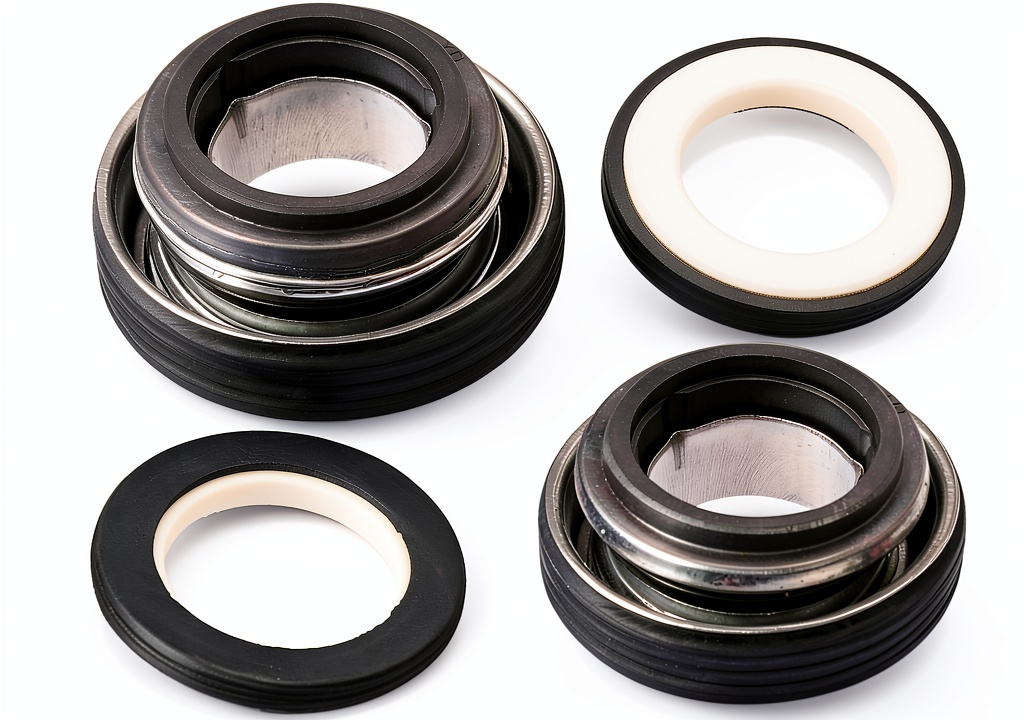 Mechanical Seal Esttlamer 2 Pack for Water Pump WB30XT3 WB20XT3Select options
This product has multiple variants. The options may be chosen on the product page
Mechanical Seal Esttlamer 2 Pack for Water Pump WB30XT3 WB20XT3Select options
This product has multiple variants. The options may be chosen on the product page
-
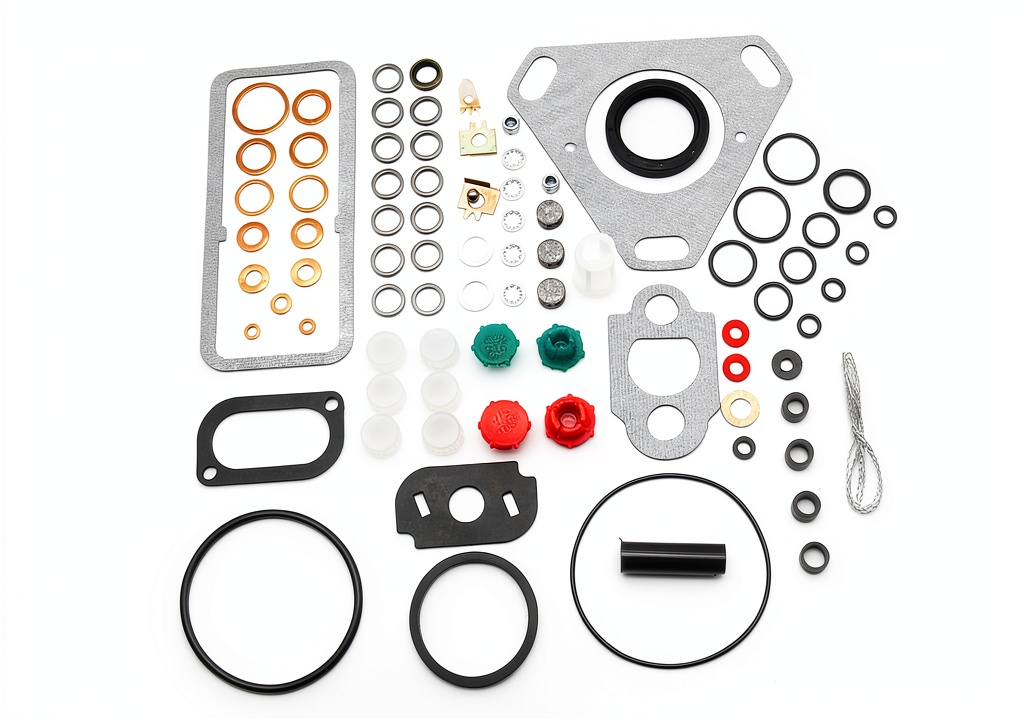 Rotary Pump Seal Kit Boursin DPA-7135110 for Ford Diesel EnginesSelect options
This product has multiple variants. The options may be chosen on the product page
Rotary Pump Seal Kit Boursin DPA-7135110 for Ford Diesel EnginesSelect options
This product has multiple variants. The options may be chosen on the product page
-
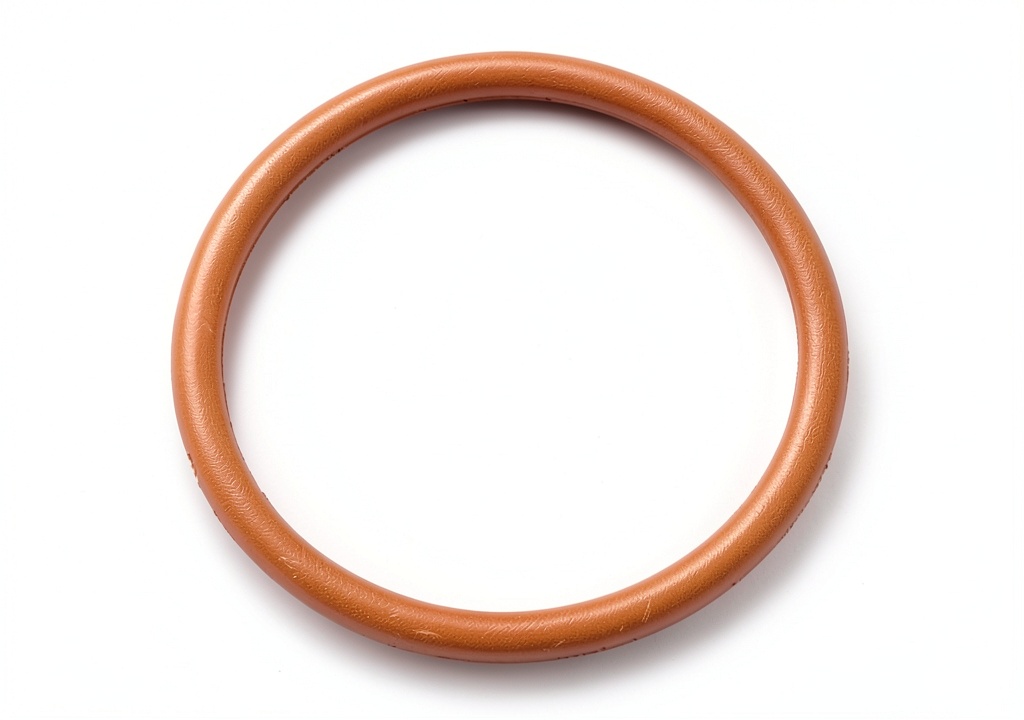 ACDelco GM Turbo Shaft Seal 24212987 Machined Output SealACDelco GM Turbo Shaft Seal 24212987 Machined Output Seal
This product has multiple variants. The options may be chosen on the product page
ACDelco GM Turbo Shaft Seal 24212987 Machined Output SealACDelco GM Turbo Shaft Seal 24212987 Machined Output Seal
This product has multiple variants. The options may be chosen on the product page